
Short-term and Long-term Goals

Description
The Short-term and Long-term Goal Setting Template is the perfect way to set high-level goals for your company, track the productivity of a product, or brainstorm benchmarks for the upcoming year with your team.
The template is divided into four sections that allow you to set short-term goals, mid-range goals, long-term goals, and very long-range goals.
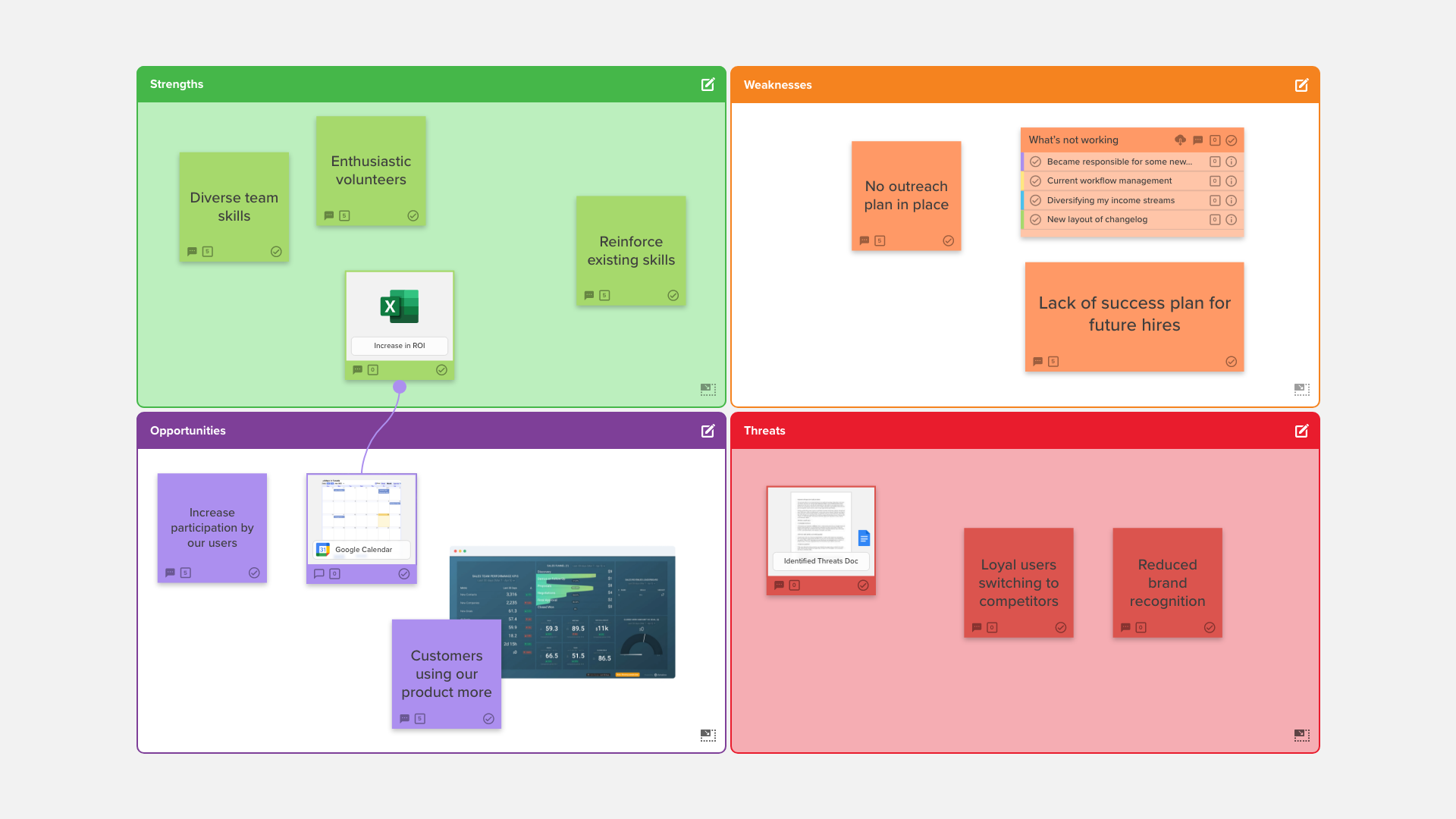
Standing for Strengths, Weaknesses, Opportunities, and Threats, a SWOT analysis is a structured process that helps with strategic planning.
Stormboard's SWOT analysis template helps you develop a strong business strategy for a new business venture, or to re-examine the strategy of your current business.

Identify interesting and important trends, and brainstorm how you can capitalize or how they may affect the way that you conduct business.
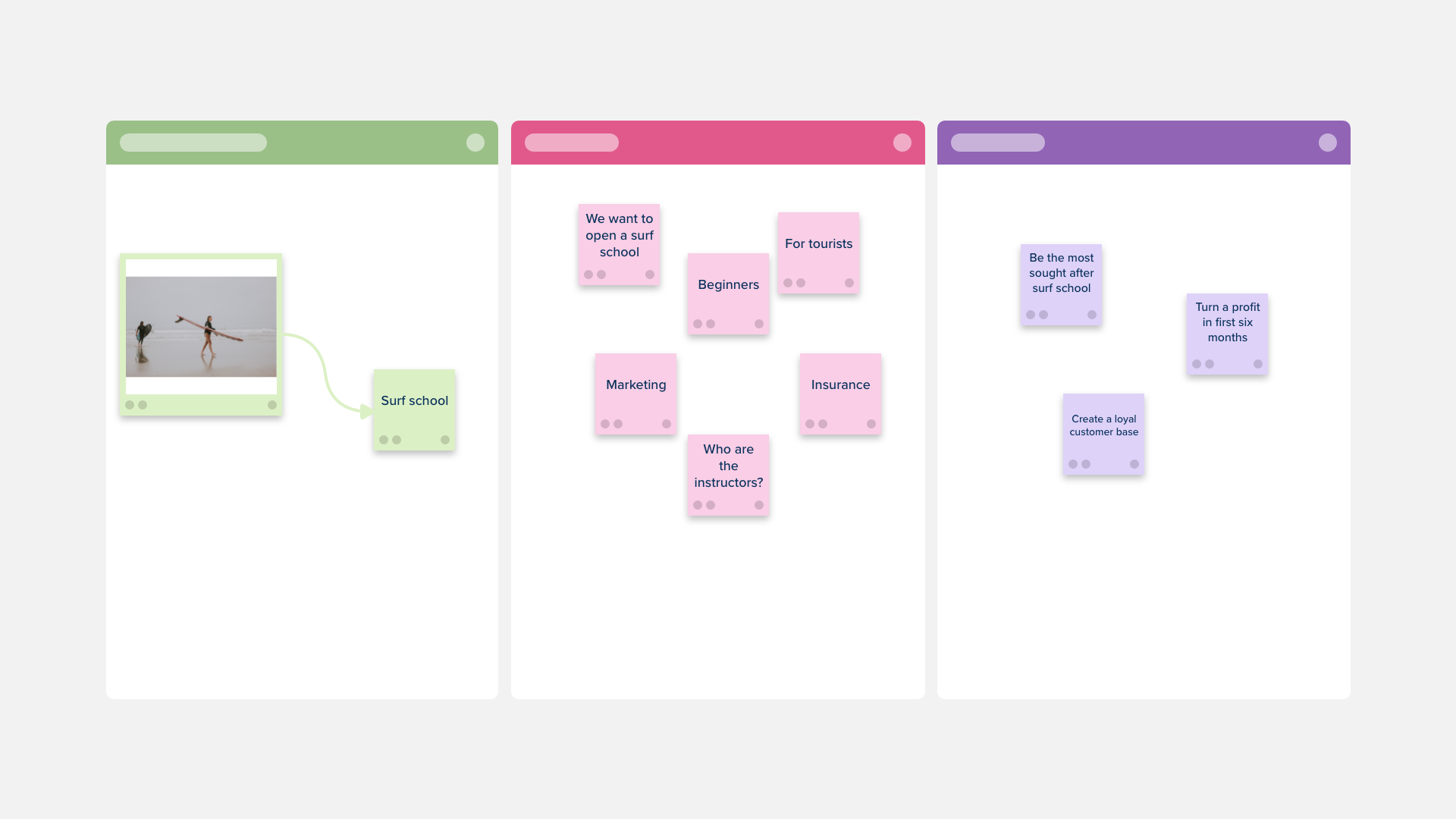
Plan your approach to making a decision to improve outcomes and predictability. Outline factors involved, details, and possible roadblocks on the template.

This template allows teams and users to stop and reflect on an ongoing (or failed) project or process, strategize on improvement, and re-start with better insight and planning.

Separate your findings into primary and secondary sources.

This template is used to provide clarity when making changes to your product, and will allow you to trace your feature’s development from conception to outcome to make sure it is the right move for your company.
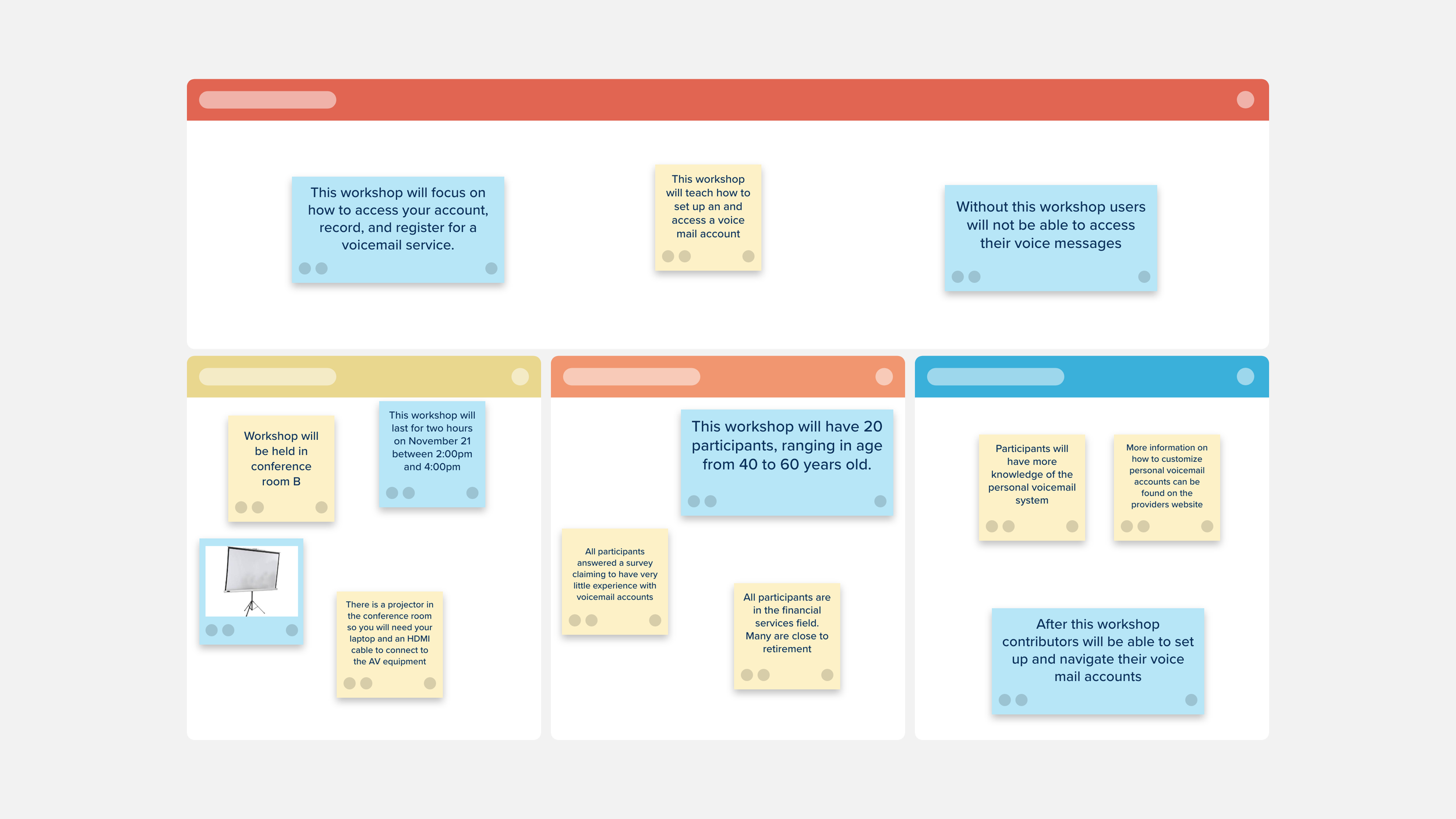
Prepare for your workshop by organizing and planning for success.

Use the Project Planning Template to plan for a successful project by defining its purpose, how it will succeed, taking stock of which tools your team has (and will need), and how you plan to address any costs or roadblocks.
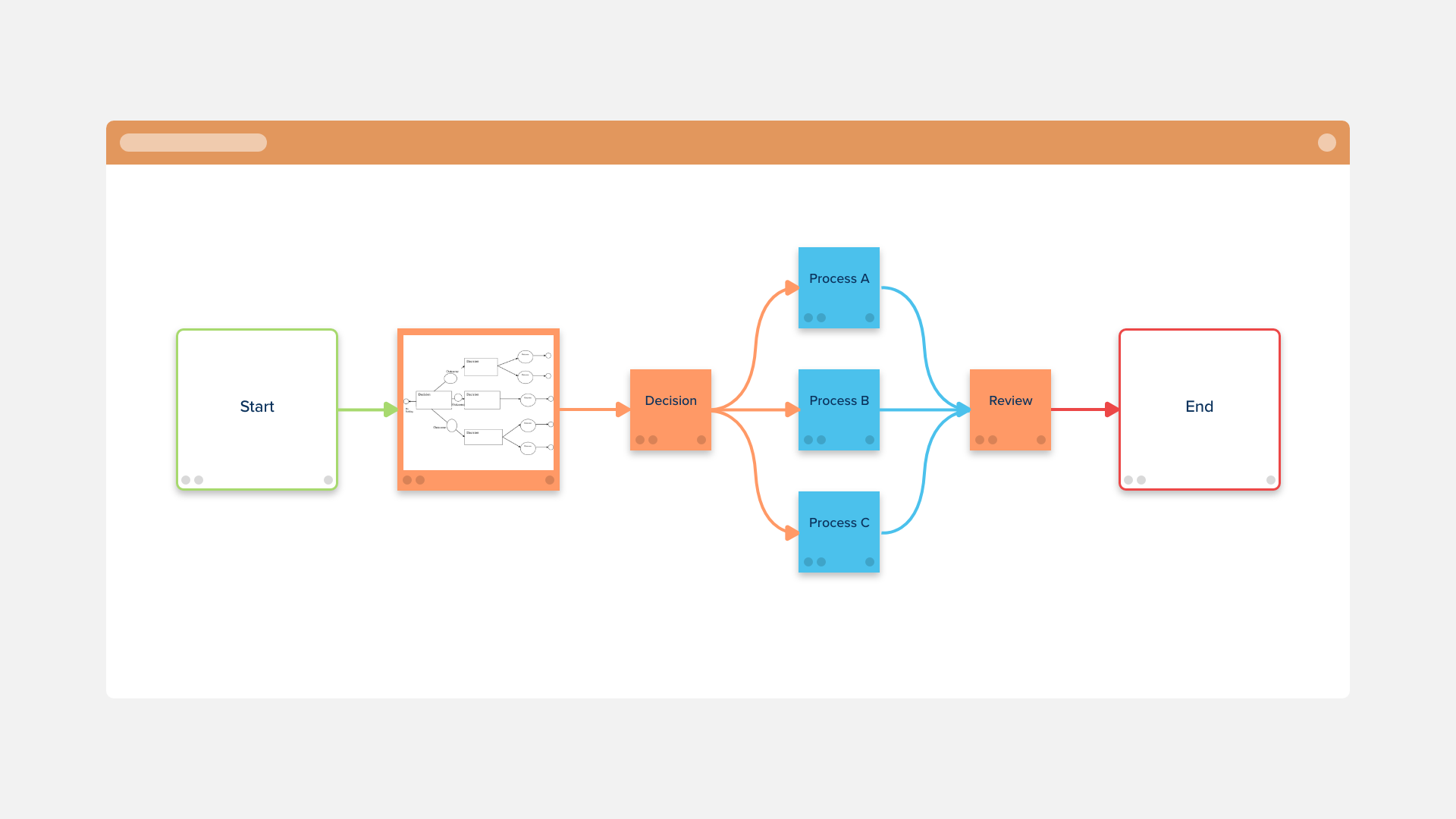
The Flowchart Template is a quick and effective way to visually represent each step in a process.
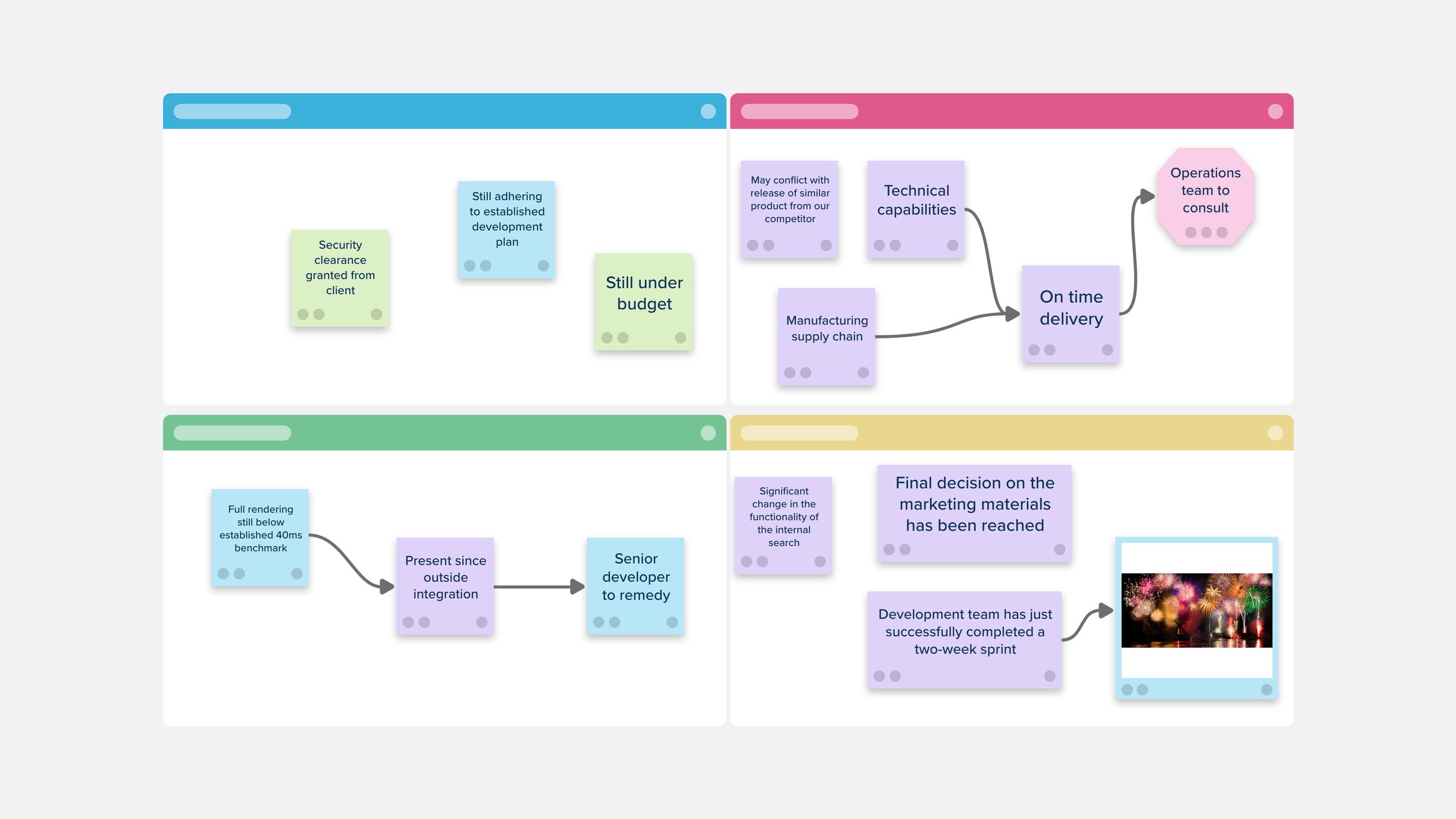
Use the Weekly Status Report Template to build a reporting cadence with your key stakeholders.

The SOAR Analysis Template will help you and your team work together to recognize the potential of your organization and create a shared vision of your future.

The Team Retrospective Template is made to help your team review their latest iteration, sprint, or project and decided which actions to take to improve their process.

UX User Interviews help design and product teams discover what drives your users toward your product and find better ways to serve them.

The Three Step Framework for Solving Problems Template is a great way to get to the core of what any problem means to you or your company and how to best address it.

The Scenario Mapping Template can be used to better understand your user’s process and help identify areas that you can improve.
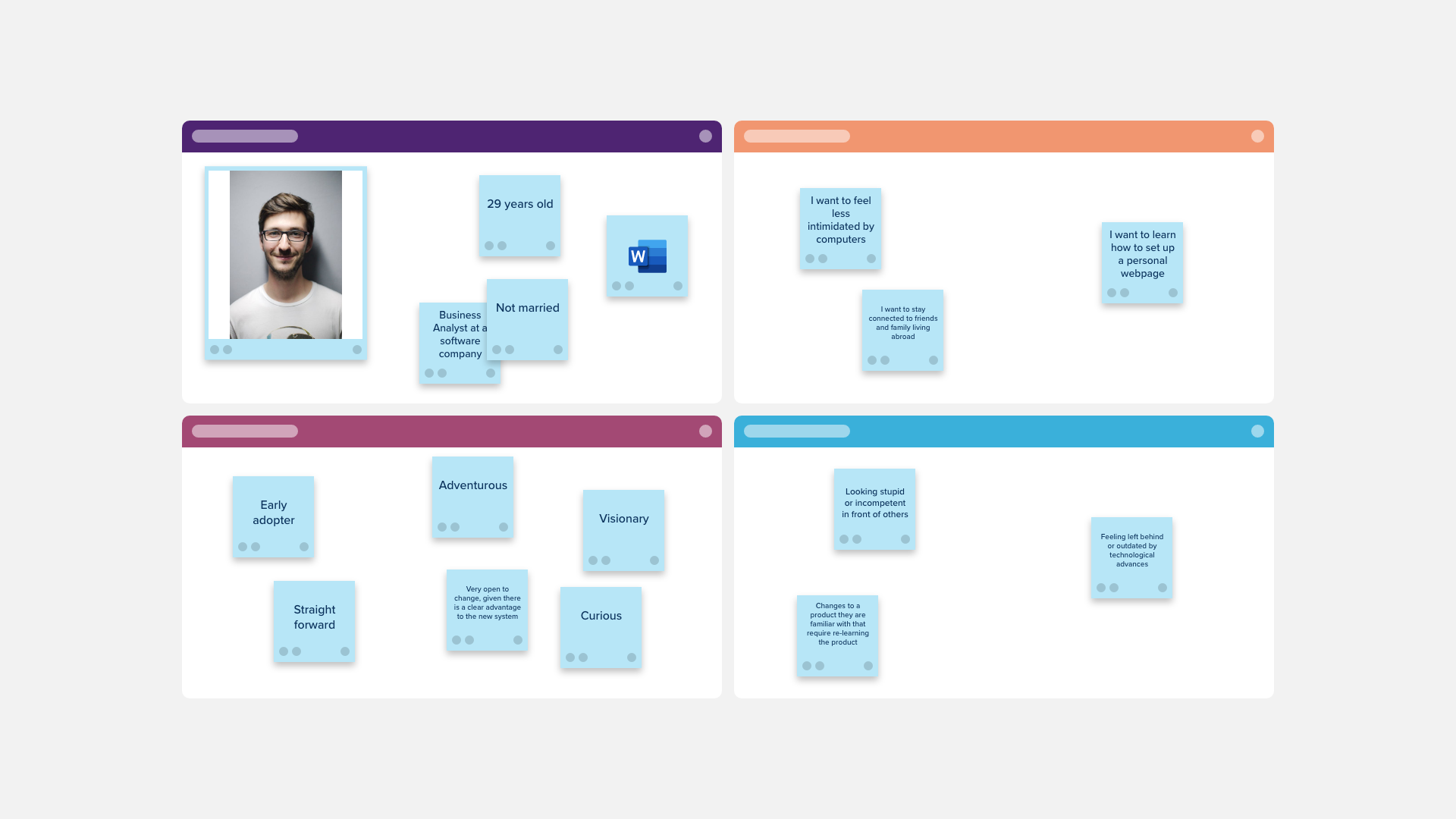
Use the User Persona Matrix to create a detailed description of your customer and learn more about who they are.

The MoSCoW analysis is a popular prioritization technique for managing requirements for your project.

Building a reporting cadence with your investors is a great way to promote transparency and build a relationship focused on trust and open communication.

The SCAMPER method helps you generate ideas for new products and services by encouraging you to ask seven different types of questions, which will help you understand how you can innovate and improve existing products, services, problems and ideas.

The Platform Business Model Canvas makes it easier than ever to design a platform from every stakeholder's perspective. It works very well with other templates like Stakeholder Maps, Value Proposition Design Canvases, Business Model Canvas and Lean Canvas.
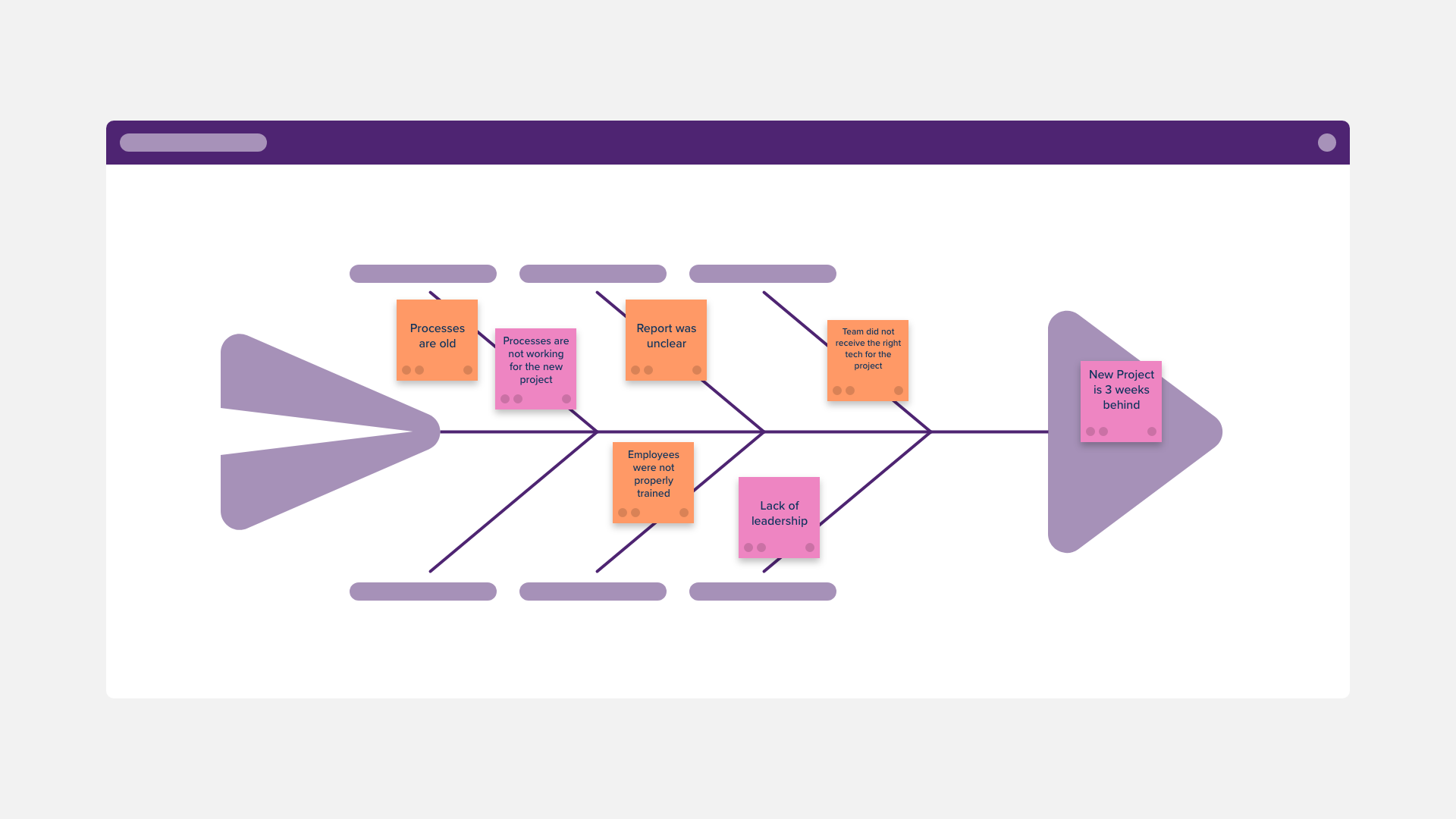
The Fishbone Diagram Template (or Ishikawa Cause & Effect Diagram,) is a used as a retrospective or a visual way to categorize the potential causes of a problem in order to identify its root cause.

This guide will help you outline your team’s purpose and objectives, as well as steps you will take to reach your goals.

This template is the final Step and last template in the 8 Steps to Problem Solving methodology, designed to question and evaluate success and next steps

Step 7 of the 8 Steps to Problem Solving: See Countermeasures Through. This template is all about evaluation and vision.

This template is Step 6 of the 8 Steps to Problem Solving: See Countermeasures Through. Use this template to create a report, develop a consulting matrix, and create a 360-degree communication process

This template is Step 5 of the 8 Steps to Problem Solving developed by Toyota Motor Corporation.
Use this template to brainstorm countermeasures, narrow the criteria matrix, and create an implementation plan

Step 4 of the 8 Steps to Problem Solving is about attempting to investigate/verify the root cause, establish cause and effect, and ask why the root cause exists.
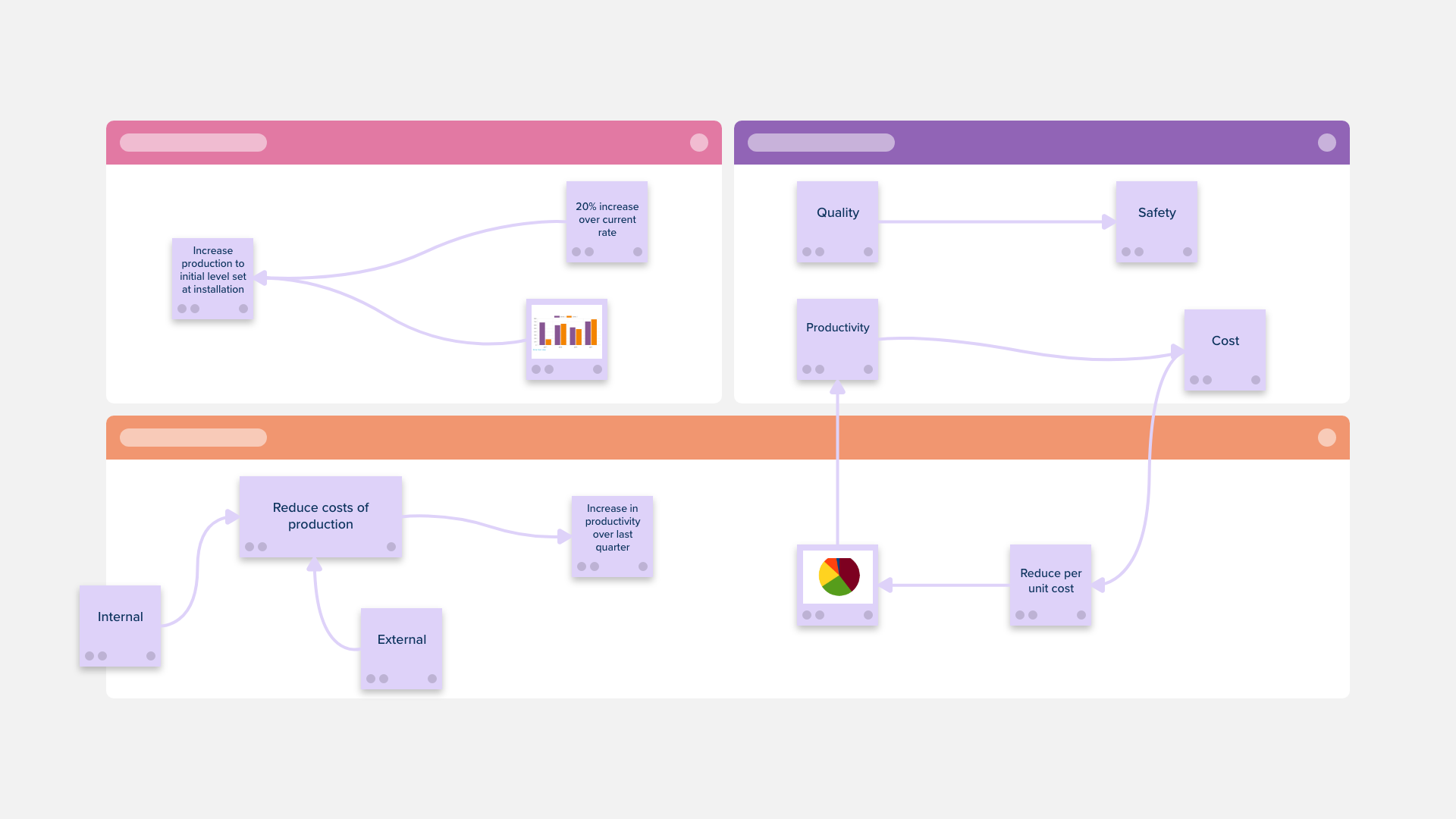
Step 3 of the of the 8 Steps to Problem Solving framework is about target setting and determining when to set the point of occurrence.
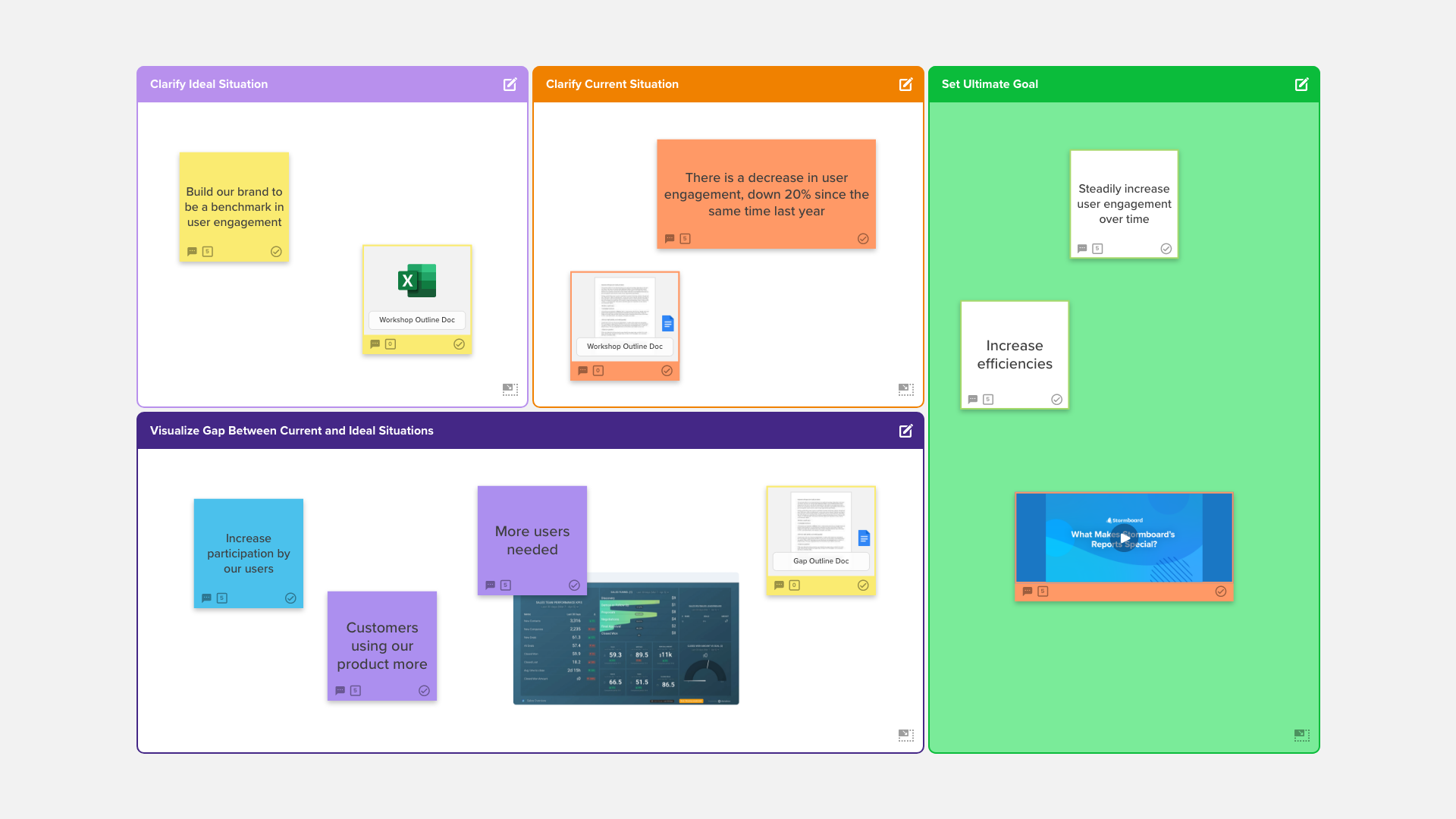
Step 1 of the of the 8 Steps to Problem Solving framework is about Clarifying the Problem and gaining holistic insight into the situation you are analyzing or problem you are trying to solve.

The Root Cause Analysis Template will help you drill down into your business process or production problems and get to a solution fast. Offering different methods and paths of analysis, you can quickly address your problems and reach a solution you can turn into action.