
Lean 5S

Description
The goal of using the Lean 5S Template is to improve workplace efficiency and increase the value of products or services for customers. The 5S represents five translated Japanese words that describe the steps of a workplace structure — Sort, Straighten, Shine, Standardize, and Sustain.
The template is divided into six sections in order to include Safety, which is now commonly added into this process. In simple terms, this methodology helps remove items no longer needed (sort), organize to optimize efficiency (straighten), clean the area in order to more easily identify problems (shine), implement consistency (standardize), develop organized behaviours (sustain), and ensure that all activities are conducted safely (safety).
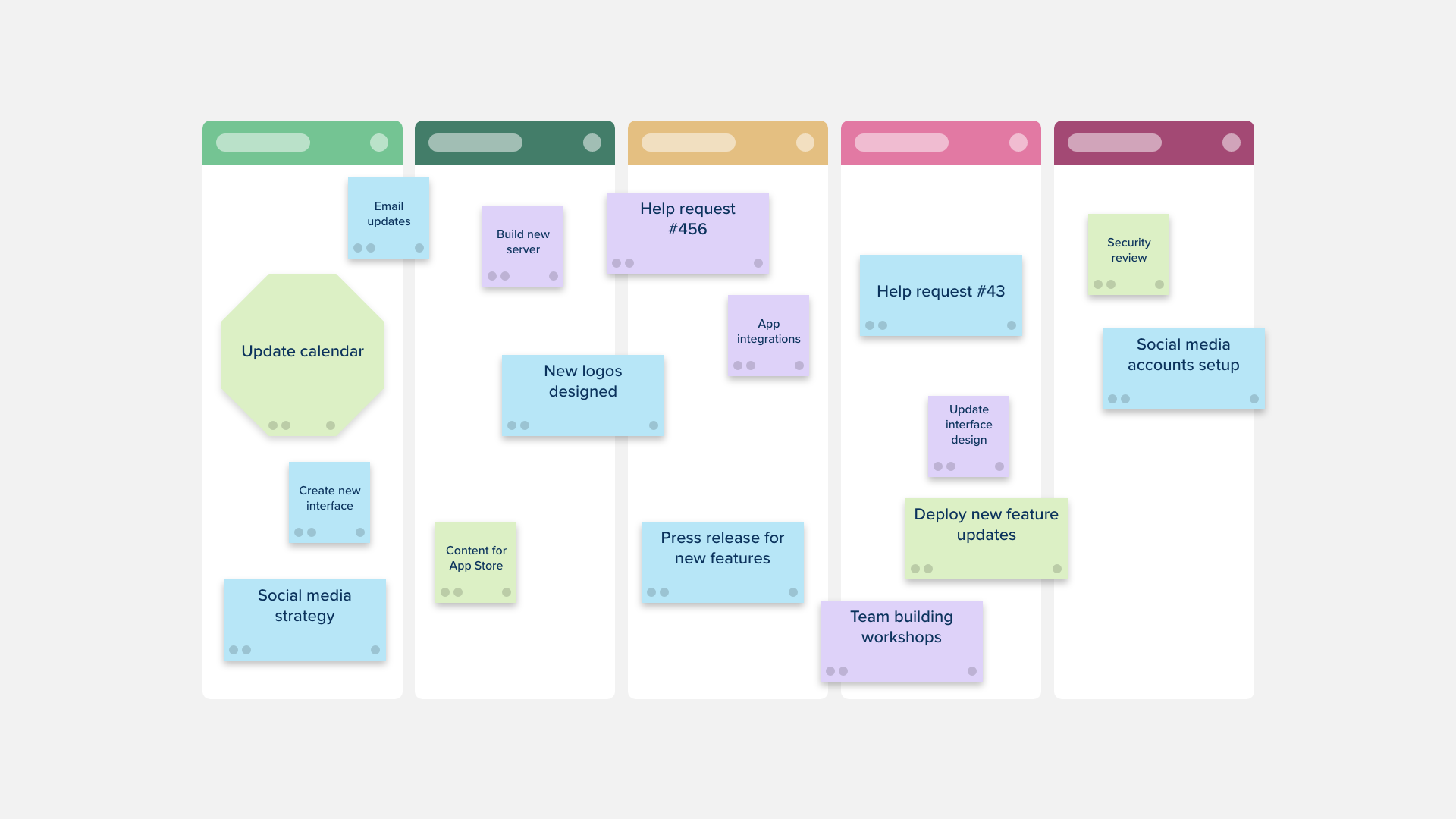
Enhance your team's productivity with Stormboard's Agile Scrum Kanban Template. Easily track tasks, streamline workflows, and boost collaboration with our intuitive and customizable tool. Try it free today!

Streamline your Agile release process with Stormboard's user-friendly Agile Release Planning Template. Perfect for developers, designers, marketing, and support teams, it ensures everyone stays informed and connected. Simplify workflows, enhance collaboration, and maintain transparency on project goals and timelines. Keep your team aligned, wherever they are.
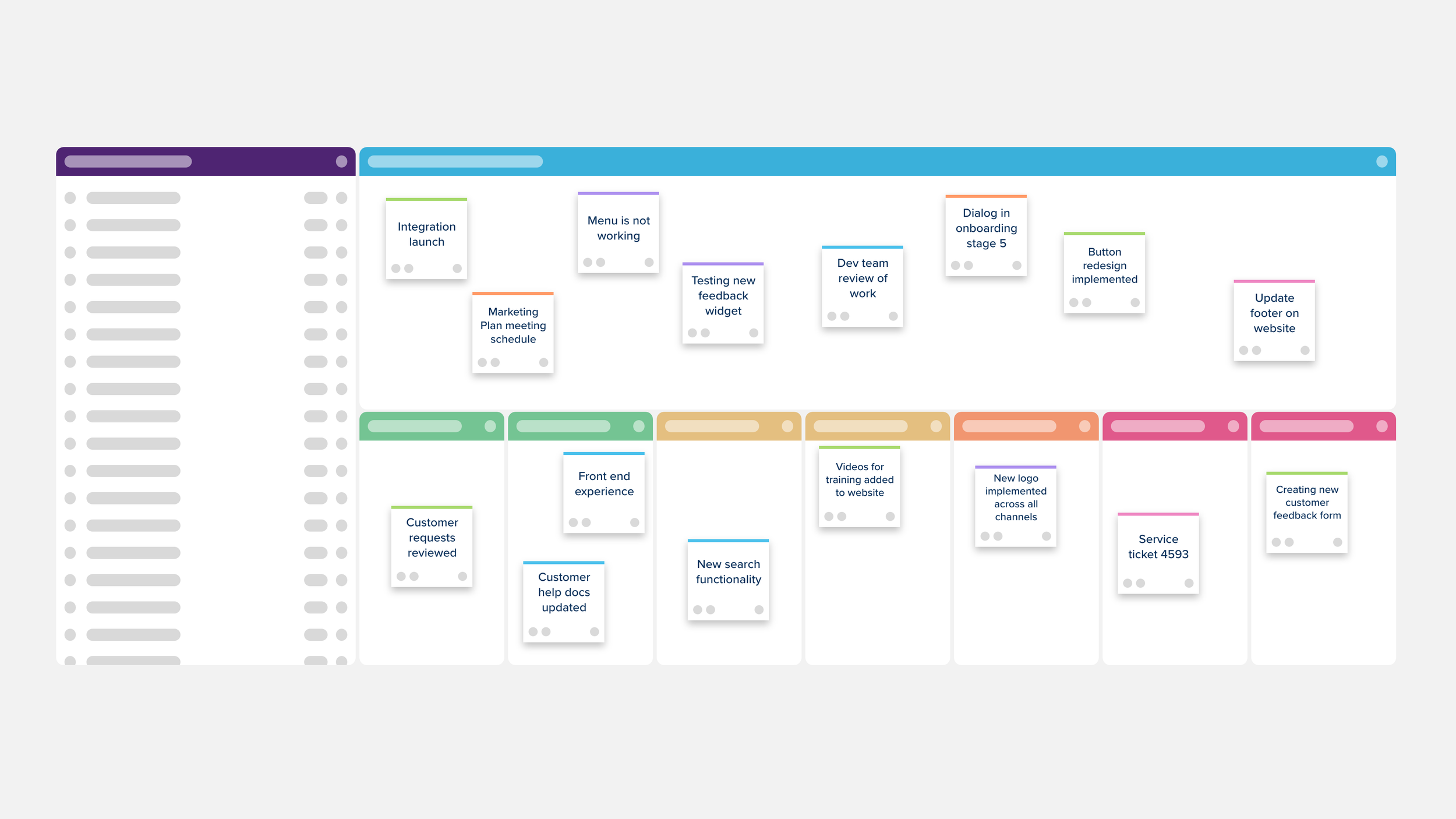
Improve your Agile team's planning with Stormboard's Story Point Sizing Template. Designed for project managers and product owners, this template facilitates collaborative and accurate effort estimation. Customize for t-shirt sizing, planning poker, and more to ensure realistic project scopes and workloads. Increase transparency and efficiency in your sprints and iterations. Seamlessly integrate with Jira, Azure DevOps, and other tools for effective backlog management. Experience precise, team-based project estimations with Stormboard.

Enhance risk management for Agile teams with Stormboard's ROAM Board Template. Identify, categorize, and address risks through Resolve, Own, Accept, and Mitigate. Boost collaboration, transparency, and project success. Keep your Agile projects on track and within budget.

Boost your Agile project management with Stormboard's Scaled Agile Program Board Template. Perfect for PI Planning, it integrates with Jira, Rally, and Azure DevOps, offering real-time updates and effortless task management. Enhance team collaboration, transparency, and workflow efficiency, and achieve project success with Stormboard.

Optimize your Agile Release Train with Stormboard’s Dependency Board Template. Track dependencies between tasks, user stories, and features to boost transparency, collaboration, and productivity. Sync with Jira, Rally, or Azure DevOps for seamless, real-time updates and drag-and-drop project management. Discover more now!
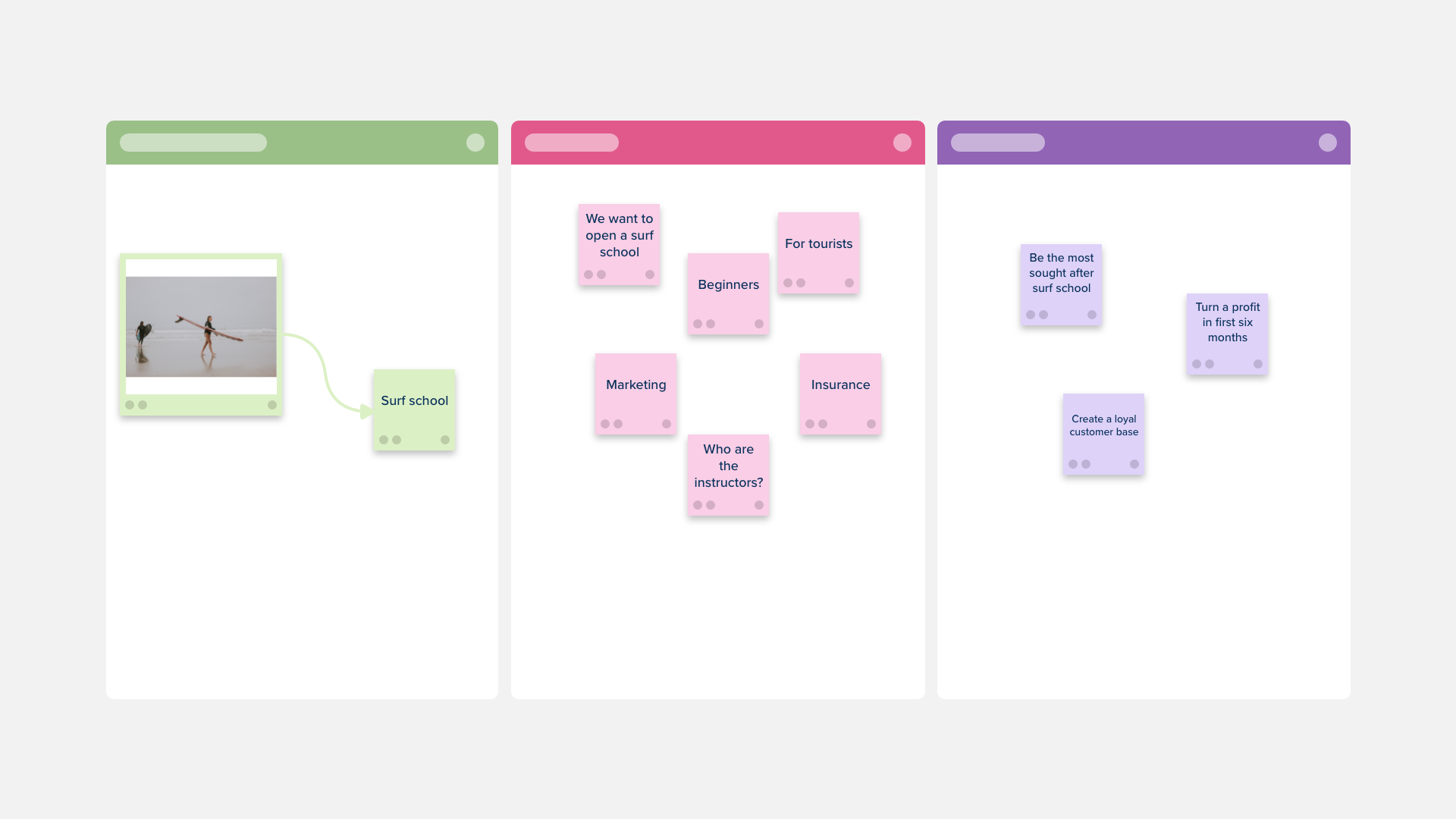
Plan your approach to making a decision to improve outcomes and predictability. Outline factors involved, details, and possible roadblocks on the template.

This template allows teams and users to stop and reflect on an ongoing (or failed) project or process, strategize on improvement, and re-start with better insight and planning.

Compile and arrange user stories to create a more holistic view of how they fit into the overall user experience. Then track how you interact with your users through a set of revisions.
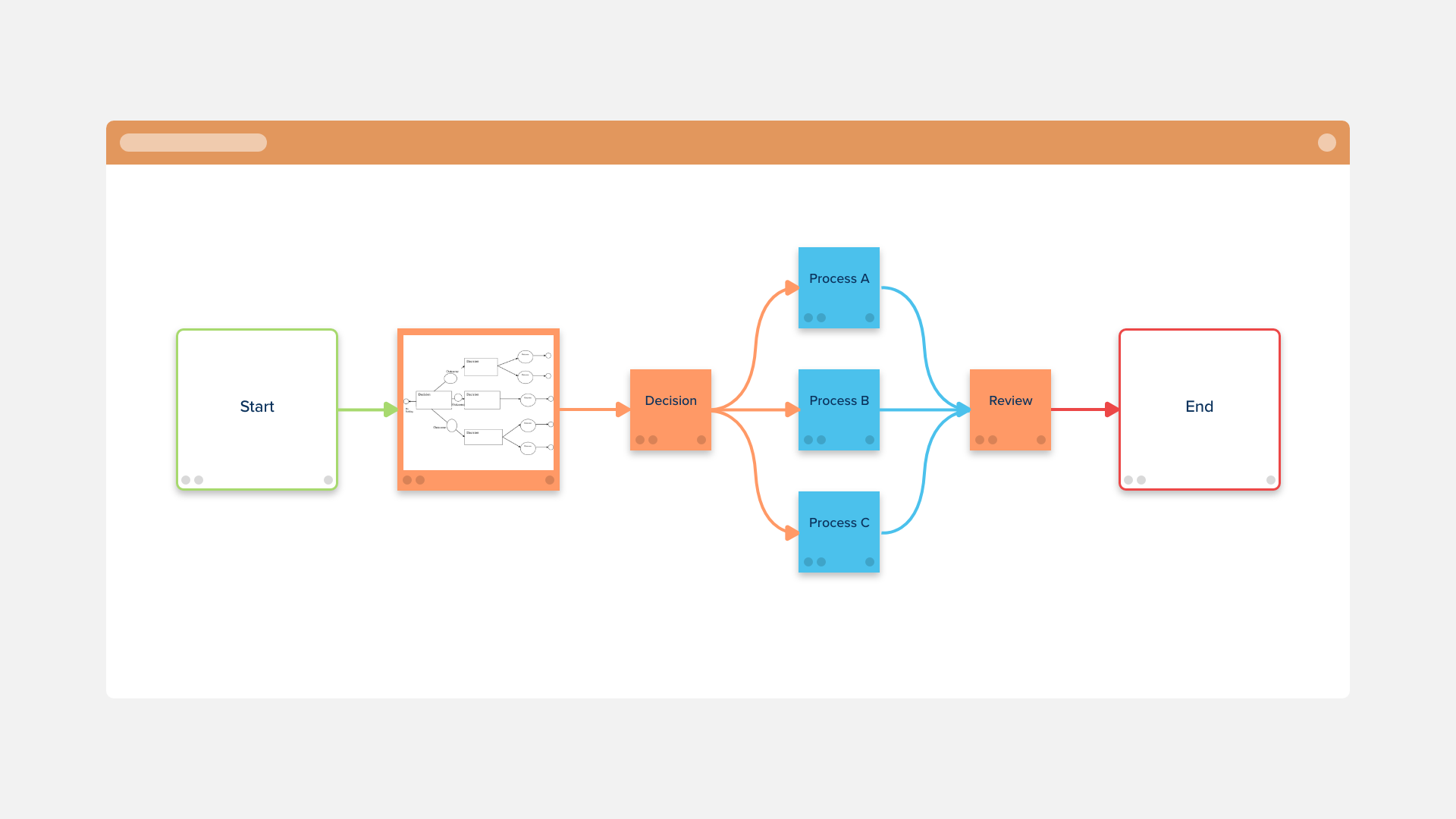
The Flowchart Template is a quick and effective way to visually represent each step in a process.

The Kaizen Review Template is a great way to take stock of your last Kaizen event. Track your progress and see how your improvements have affected your business and production processes.
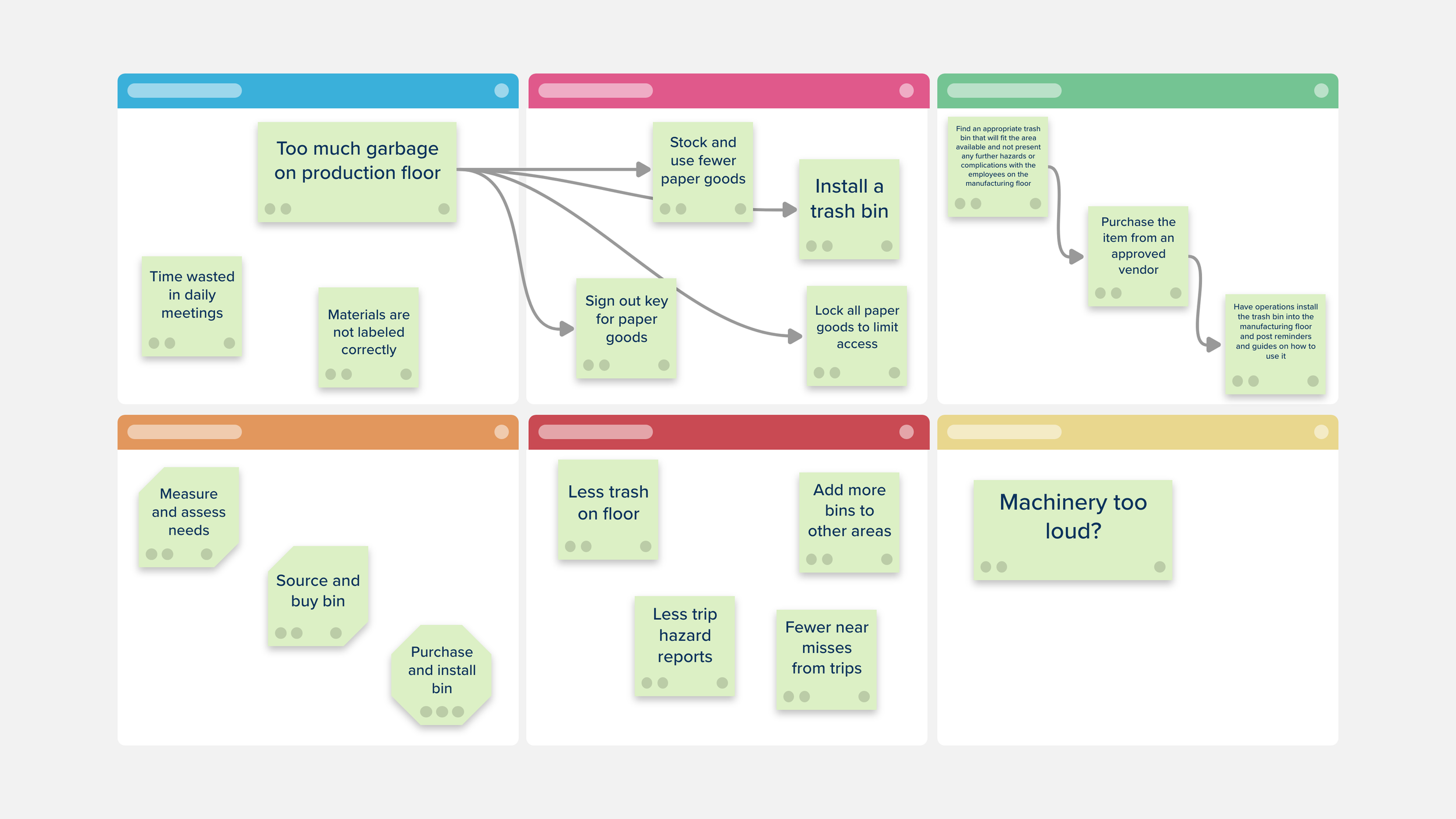
The Six Steps of Kaizen Template will help your team make incremental changes to improve the effectiveness, efficiency, or impact of your business systems and processes.

The Kaizen PICK Chart Template will rank your ideas generated from a Kaizen event. Use the chart to compare their effectiveness and difficulty.

The Project Retrospective Template allows your team to review what happened during the development of the project and identify what needs to be improved going forward on order to create actionable items for future projects.

The SOAR Analysis Template will help you and your team work together to recognize the potential of your organization and create a shared vision of your future.

An Agile Project Charter Template will serve as a roadmap for achieving your project’s intended results.

The Three Step Framework for Solving Problems Template is a great way to get to the core of what any problem means to you or your company and how to best address it.

The PI Objectives Template is created for Agile Teams to use to set objectives for each phase of their planning.

The Iteration Plan Template is created for Agile Teams to use to determine which items in their backlog can be worked on in each upcoming iteration. Fully compatible with Stormboard for Jira, Rally, and Azure DevOps backlog integrations.

The SCAMPER method helps you generate ideas for new products and services by encouraging you to ask seven different types of questions, which will help you understand how you can innovate and improve existing products, services, problems and ideas.

Using the Weekly Kanban and Retrospective Template can help you track and streamline your processes, and then review what happened in your sprint in order to identify what needs to be improved going forward.

The Platform Business Model Canvas makes it easier than ever to design a platform from every stakeholder's perspective. It works very well with other templates like Stakeholder Maps, Value Proposition Design Canvases, Business Model Canvas and Lean Canvas.
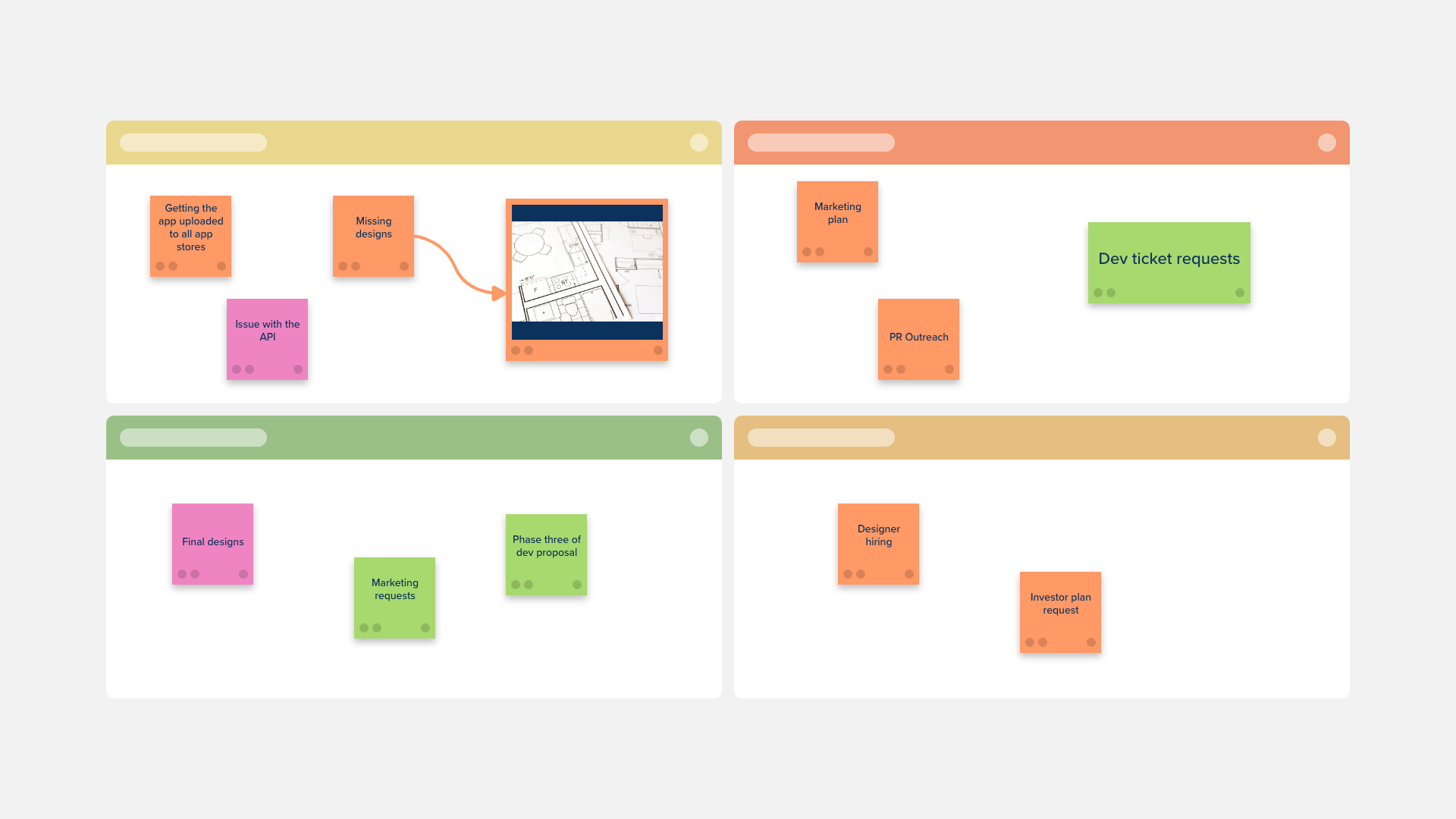
The ROAM Board Template is created for Agile Teams to categorize risks that are identified during release planning, and collaborate on how to handle these risks.
ROAM stands for Resolved, Owned, Accepted, and Mitigated.
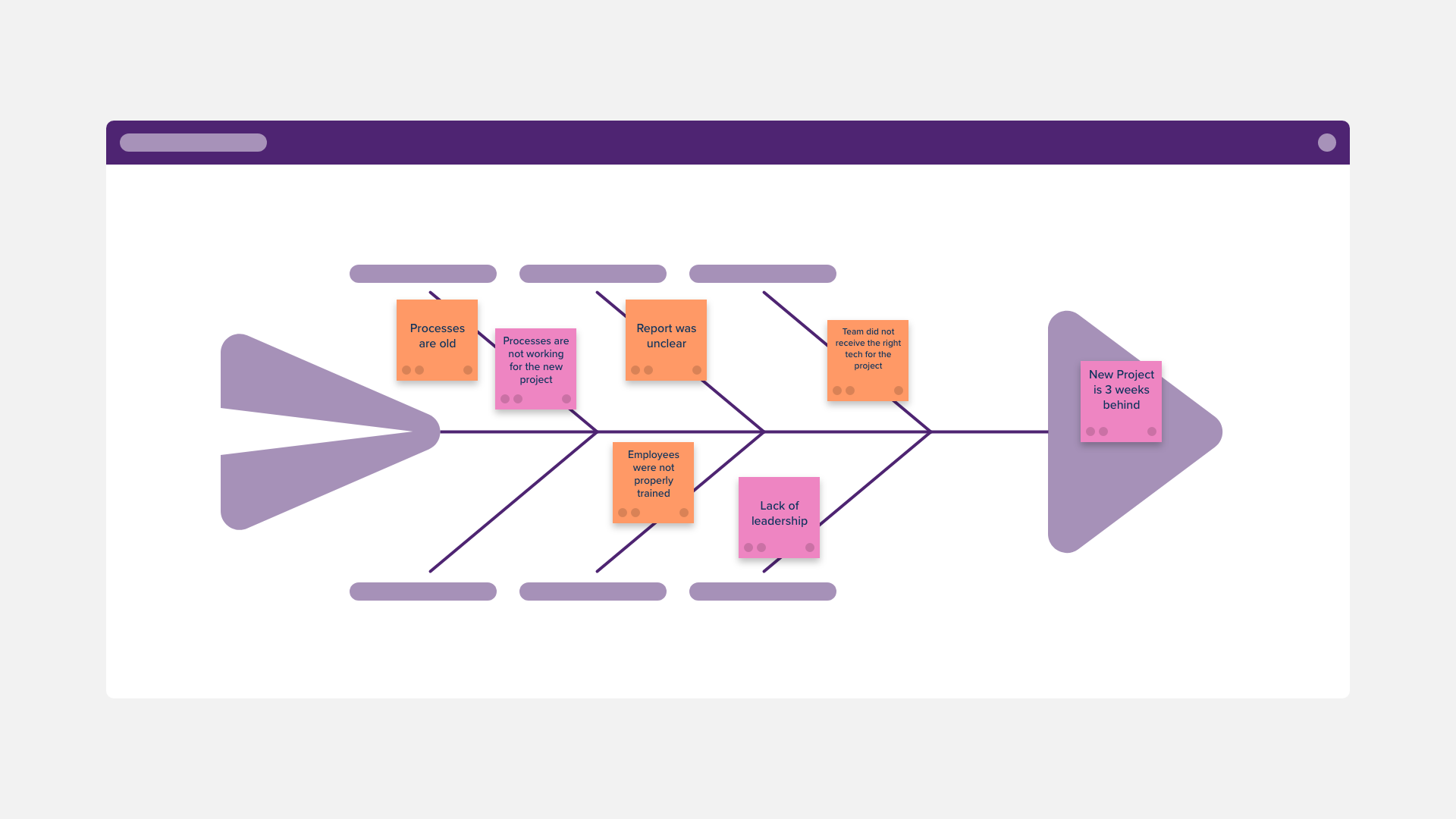
The Fishbone Diagram Template (or Ishikawa Cause & Effect Diagram,) is a used as a retrospective or a visual way to categorize the potential causes of a problem in order to identify its root cause.

This template is the final Step and last template in the 8 Steps to Problem Solving methodology, designed to question and evaluate success and next steps

Step 7 of the 8 Steps to Problem Solving: See Countermeasures Through. This template is all about evaluation and vision.

This template is Step 6 of the 8 Steps to Problem Solving: See Countermeasures Through. Use this template to create a report, develop a consulting matrix, and create a 360-degree communication process

This template is Step 5 of the 8 Steps to Problem Solving developed by Toyota Motor Corporation.
Use this template to brainstorm countermeasures, narrow the criteria matrix, and create an implementation plan

Step 4 of the 8 Steps to Problem Solving is about attempting to investigate/verify the root cause, establish cause and effect, and ask why the root cause exists.
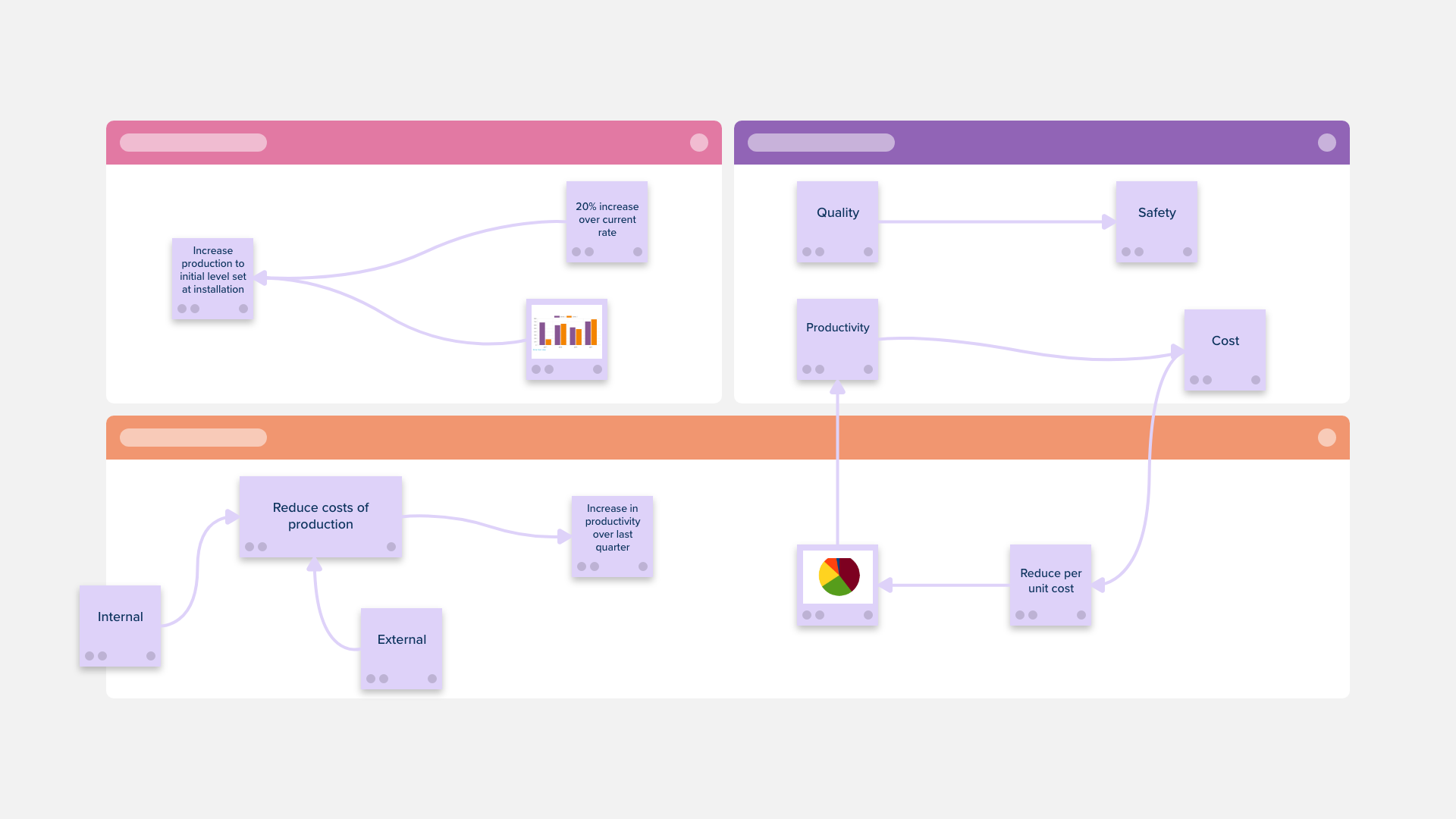
Step 3 of the of the 8 Steps to Problem Solving framework is about target setting and determining when to set the point of occurrence.