
Getting Things Done (GTD)
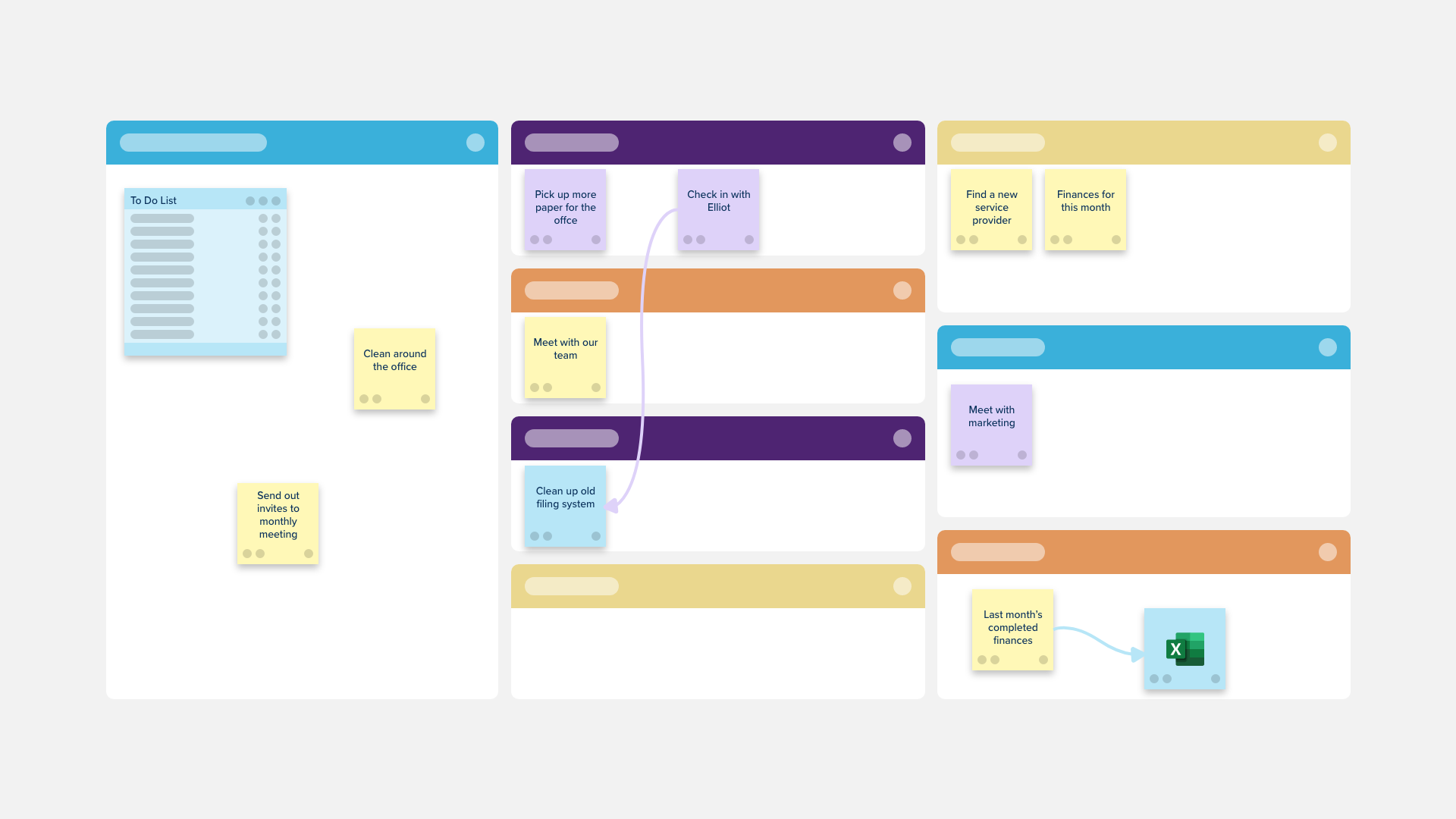
Description
The Getting Things Done (GTS) Template is a time management method that is described in a book of the same name by David Allen. The method is based on the idea of moving important tasks and projects out of your head by recording them externally and breaking them down into actionable pieces. The goal of this process is to spend less time working, and more time doing the things that you want to do.
The template is divided into eight sections: Inbox, Do It Now!, Waiting On, Delegate, Someday/Maybe, Project, Schedule, and File or Trash.

Identify interesting and important trends, and brainstorm how you can capitalize or how they may affect the way that you conduct business.

Use this template to separate and differentiate between types of data and research.
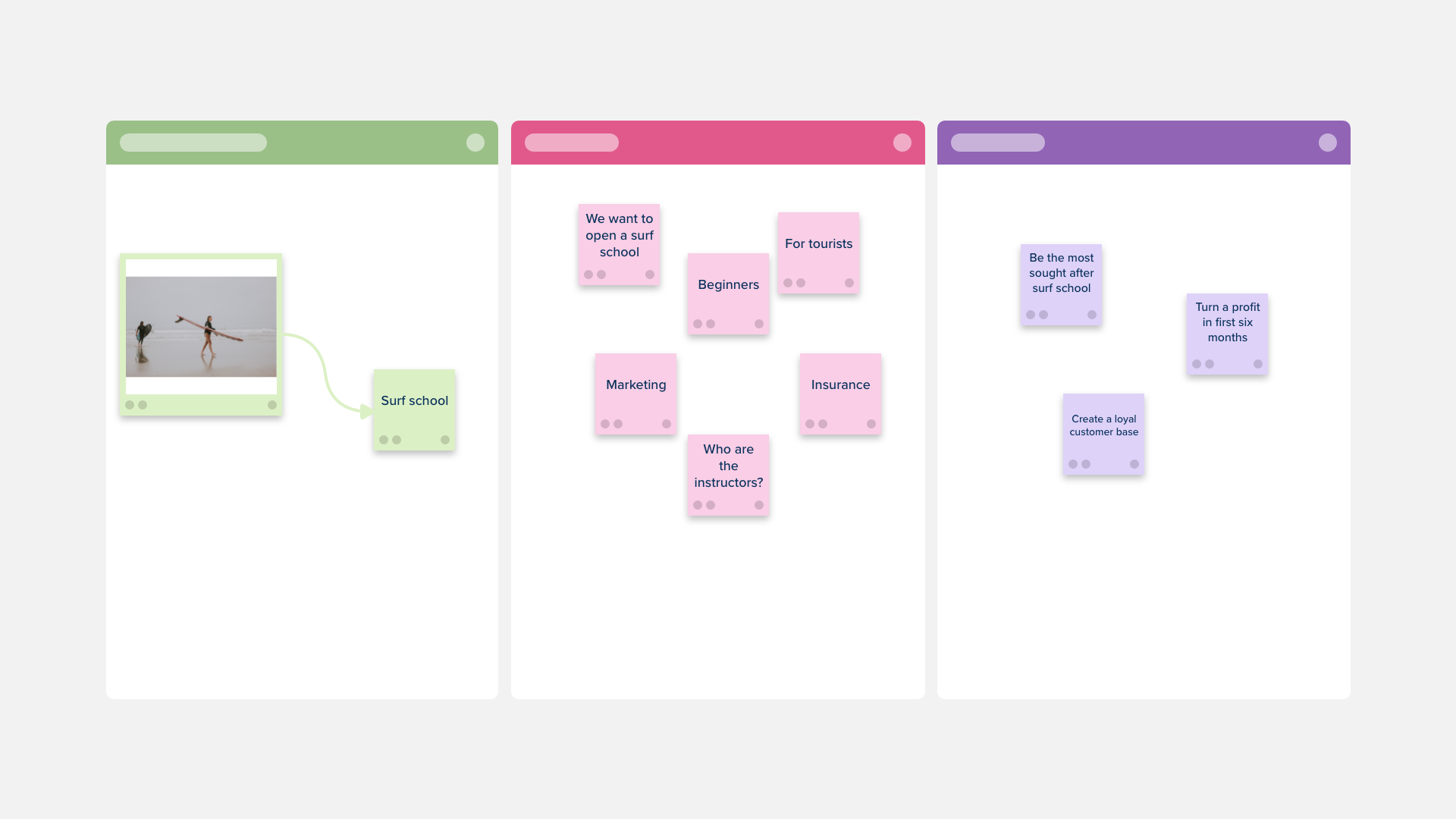
Plan your approach to making a decision to improve outcomes and predictability. Outline factors involved, details, and possible roadblocks on the template.
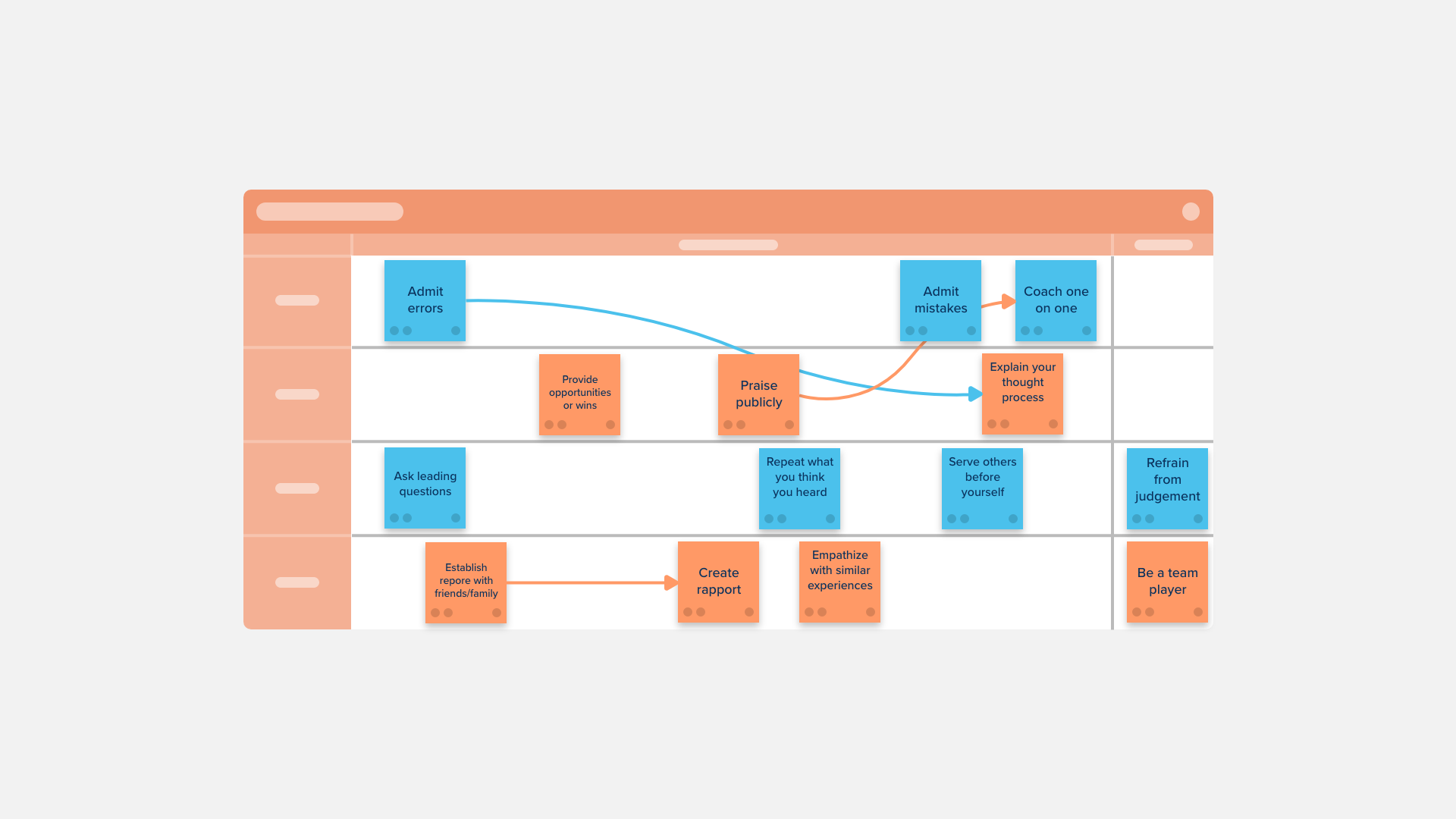
Form a stronger connection with individual members of your team — or work together to improve connections by listening, building trust, and aligning goals and needs.

This template allows teams and users to stop and reflect on an ongoing (or failed) project or process, strategize on improvement, and re-start with better insight and planning.

The Introductory Mixer is a facilitation exercise intended to help the members of your group build rapport and learn more about each other. These exercises also have the added bonus of helping you and your team get familiar with Stormboard.
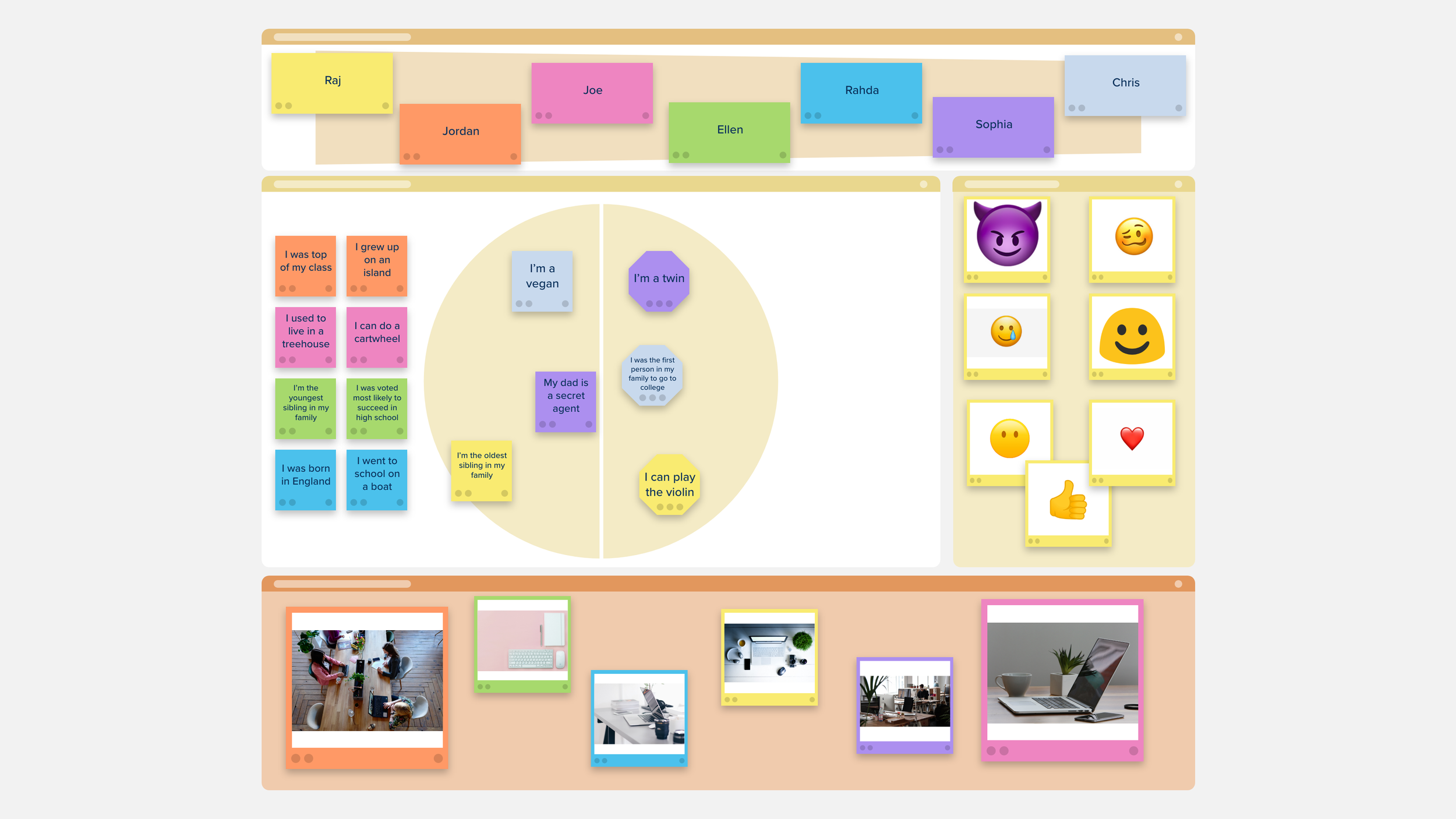
The Getting to Know You Template has three easy-to-answer question sections designed to be the perfect icebreaker before a meeting or event.
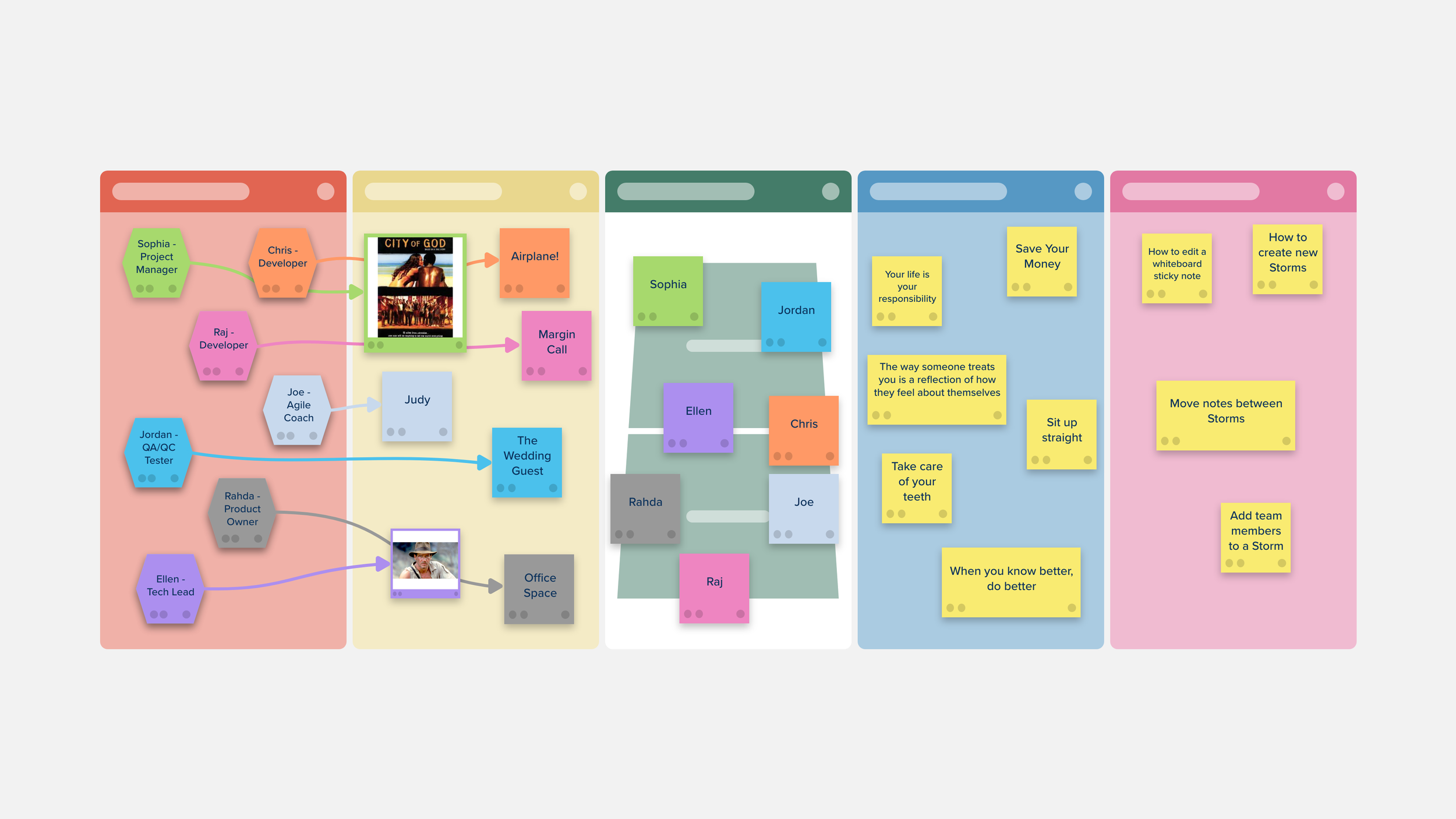
Typically intended to last a few minutes, your Icebreaker is a quick way to introduce your group to each other and jump right into working better together.

The Mind Mapping Template will help you visually structure your thoughts during a brainstorming session.

The Meet-and-Greet template has five fun and unique question sections designed for quick answers to spark friendly conversation and break the ice before a meeting or working session.

Where in The World Are You? is a fun and quick Icebreaker exercise designed to introduce your group to each other and get conversation rolling, with the added bonus of helping you and your team get familiar with Stormboard!

The Difficulty vs. Annoyance Matrix Template contains a large section where you can add all of your ideas and/or tasks that need to be accomplished.

Evaluate your priorities, both personal and professional, with the Impact vs. Difficulty Matrix Template.
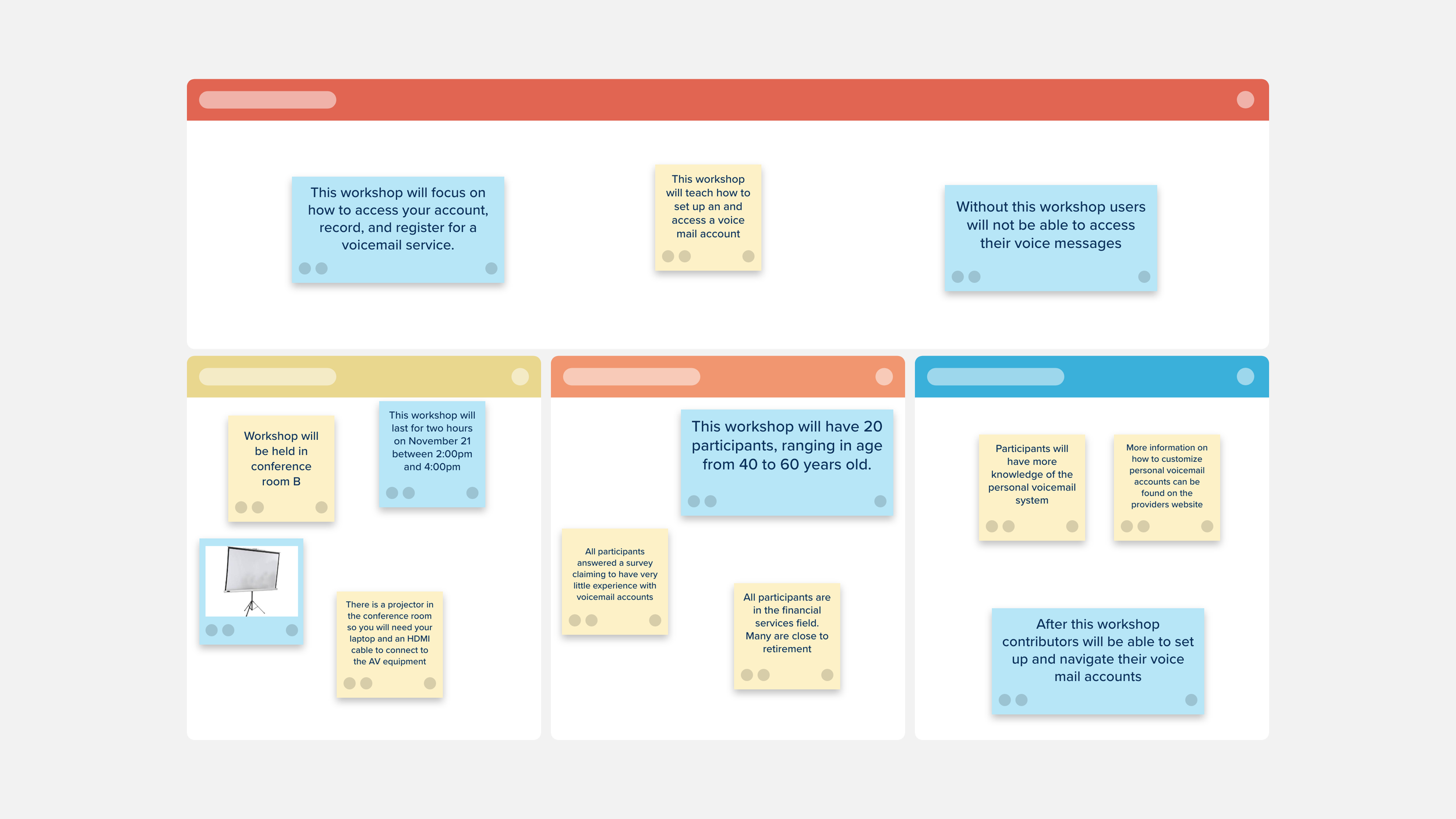
Prepare for your workshop by organizing and planning for success.

Use the Rose, Bud, and Thorn Template to assess your project and find what’s working, what’s not working, and identify any opportunities for improvement.
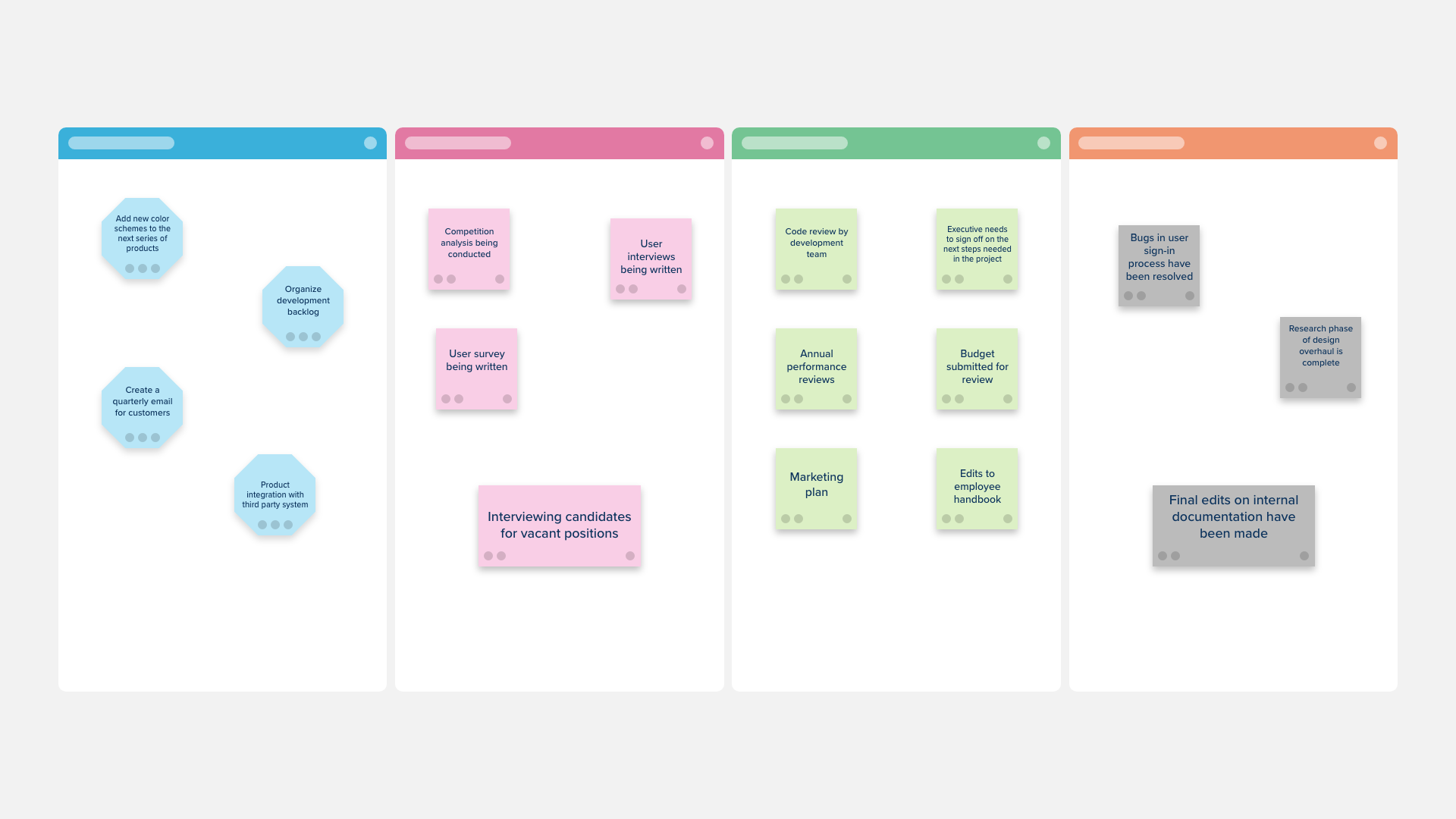
Use the Workflow Template to organize the progress of your projects and decide on which steps to take next.

The Concept Map Template is a great way to depict relationships between concepts to gain a deeper understanding of a topic.
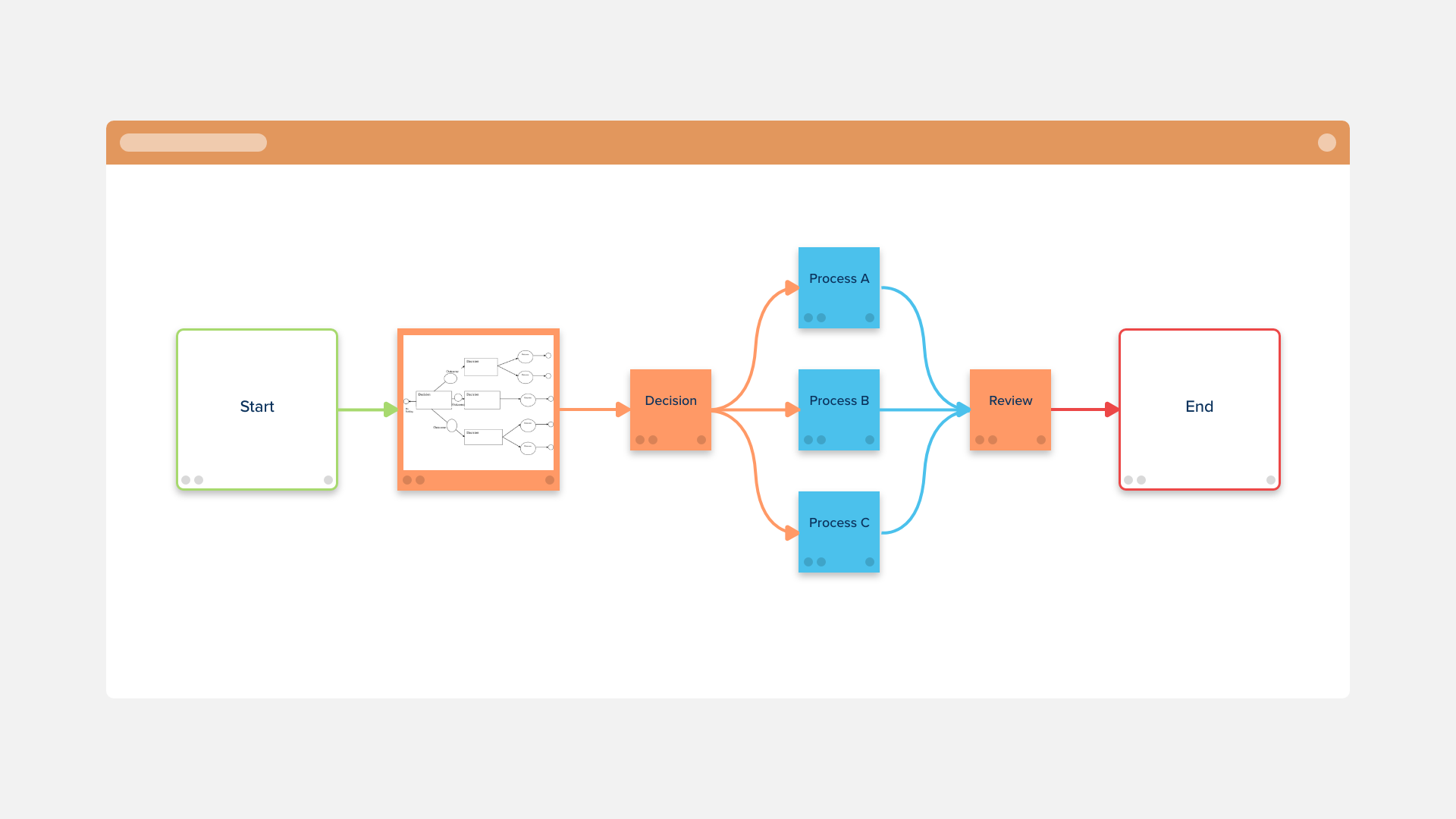
The Flowchart Template is a quick and effective way to visually represent each step in a process.

The Kaizen Wall of Fame Template will encourage your team to continue to do great work by reflecting on the successes of earlier Kaizen events.

The Project Expectations Workshop Template is a valuable tool for communicating with stakeholders and managing their expectations and concerns.

The SOAR Analysis Template will help you and your team work together to recognize the potential of your organization and create a shared vision of your future.

The PLOT Analysis Template is divided into four sections that will help you analyze and develop a strong strategy for a new business venture or re-examine the strategy of your current business.

The Three Step Framework for Solving Problems Template is a great way to get to the core of what any problem means to you or your company and how to best address it.

Stormboard’s version of the team canvas helps team members plan, launch, and monitor projects based on a common vision, desired outcome, or challenge.

The SCAMPER method helps you generate ideas for new products and services by encouraging you to ask seven different types of questions, which will help you understand how you can innovate and improve existing products, services, problems and ideas.

The Platform Business Model Canvas makes it easier than ever to design a platform from every stakeholder's perspective. It works very well with other templates like Stakeholder Maps, Value Proposition Design Canvases, Business Model Canvas and Lean Canvas.
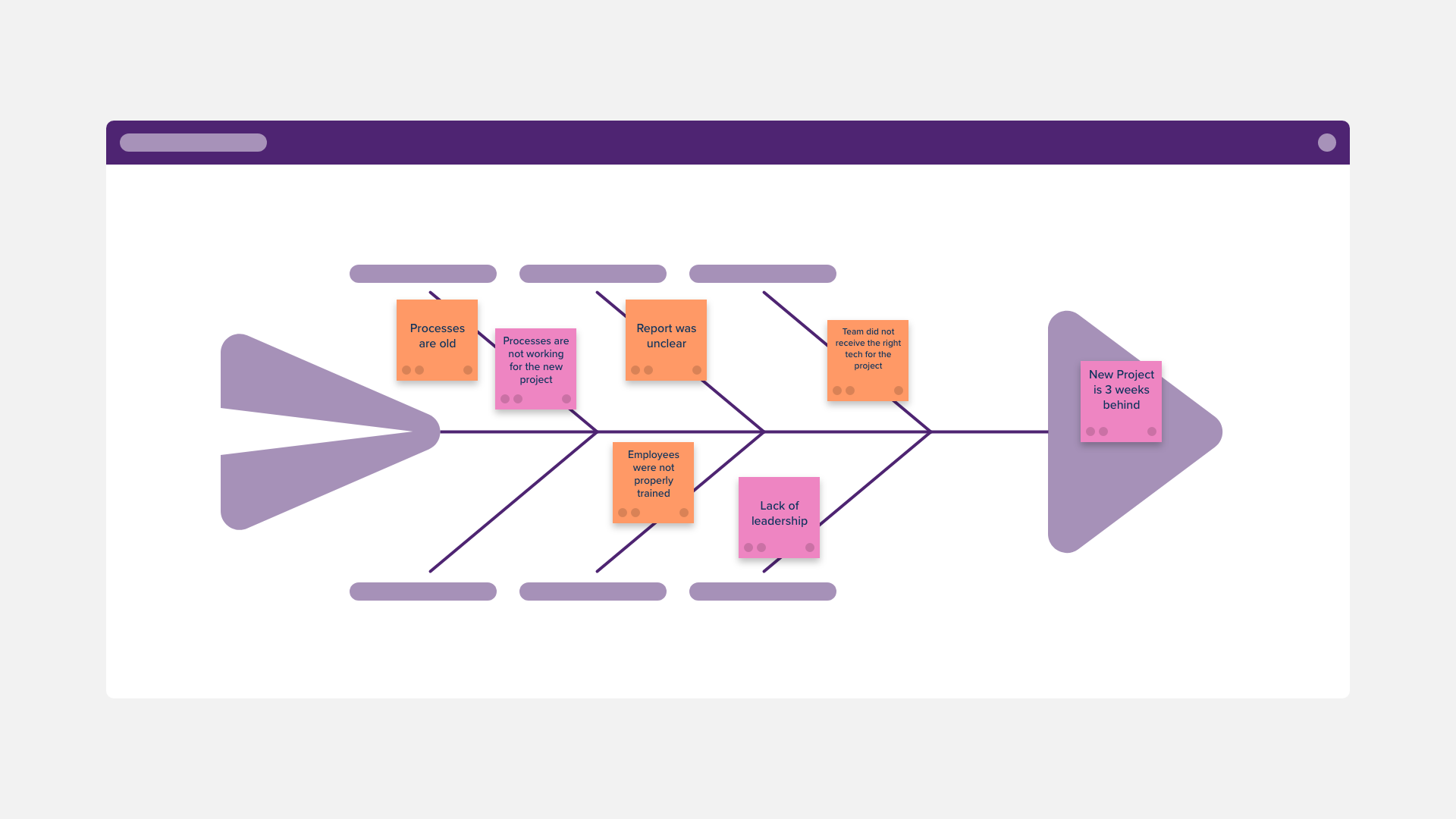
The Fishbone Diagram Template (or Ishikawa Cause & Effect Diagram,) is a used as a retrospective or a visual way to categorize the potential causes of a problem in order to identify its root cause.

A basic two-section Stormboard template consisting of large, blank section and an adjacent grid, useful for brainstorming Assumptions about a project, product, or campaign, and organizing them by any chosen metrics (like impact, effort, difficulty etc.)

This template is the final Step and last template in the 8 Steps to Problem Solving methodology, designed to question and evaluate success and next steps

Step 7 of the 8 Steps to Problem Solving: See Countermeasures Through. This template is all about evaluation and vision.